
Black August
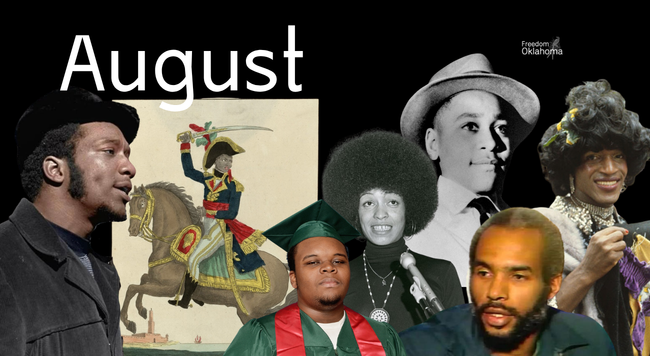
ID: black background with text “August” and photos of Fred Hampton, Michael Brown, Angela Davis, Emmett Till, Kuwasi Balagoon, and Marsha P Johnson, along with a painting of Toussaint Louverture.
Since 1979, Black August has honored the Black political prisoners, Black freedom fighters, and efforts for Black liberation. Originally attributed to honoring the August deaths of Jonathan and George Jackson, though August also marks several key dates in the fight for Black revolutionary moments, along with the birthdays of many Black revolutionaries including Debbie Sims Africa of MOVE (Aug 4), Mutulu Shakur (Aug 8), Marcus Garvey (Aug 17), and Fred Hampton (Aug 30).
We know that 2SLGBTQ+ liberation does not happen without Black liberation, and that it’s historically and currently Black trans and queer leaders who have often borne the mantle of radicalizing 2SLGBTQ+ movement spaces to meet the urgency of the moment, while also being closest to the harm and furthest from the resources and power to enact change. So this August, we wanted to celebrate the legacy of Black radicals past, present, and future, who have, are, and continue to shape liberatory possibility for us all.
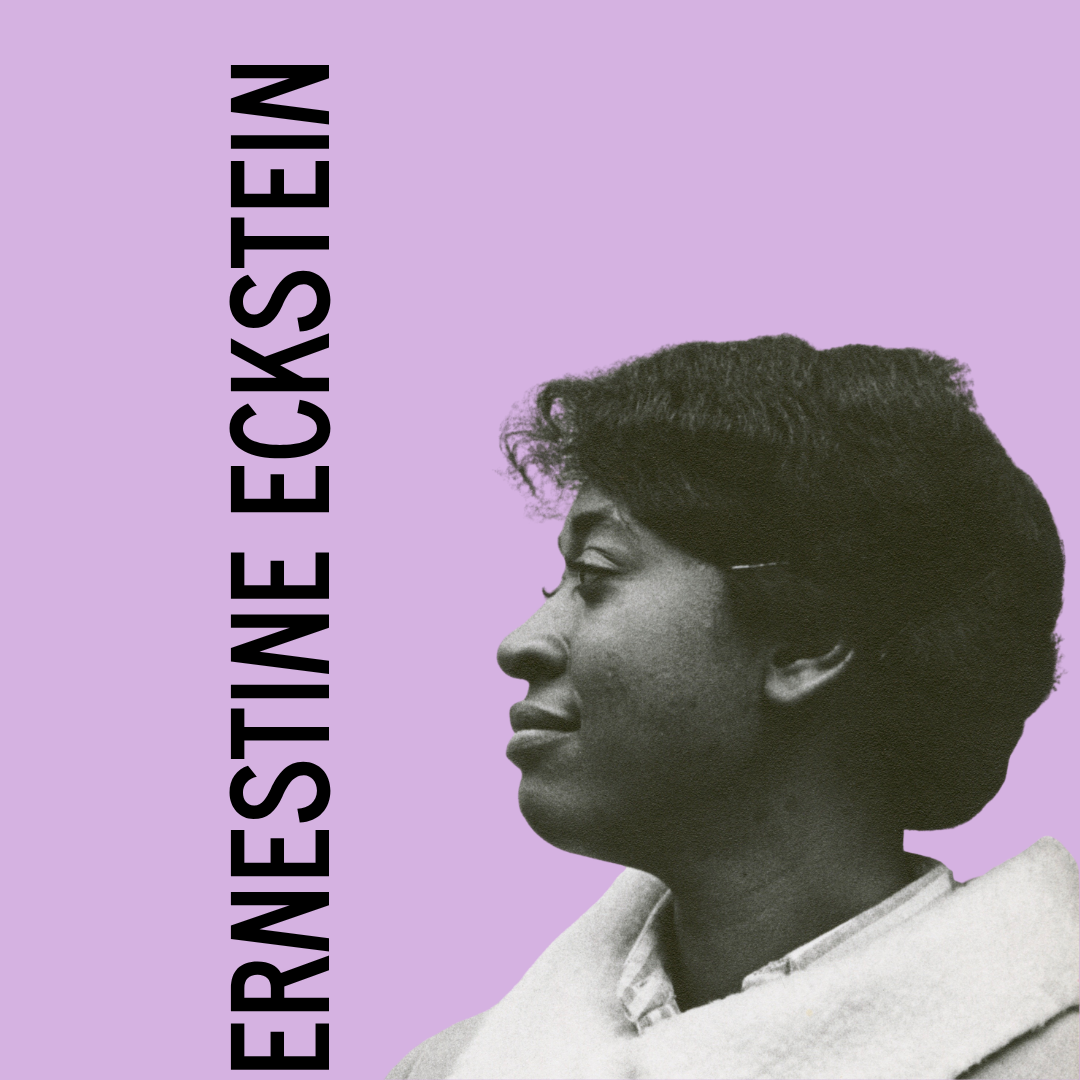
“But I think any movement needs a certain number of courageous martyrs. There’s no getting around it. That’s really the only thing that can be done, you have to come out and be strong enough to accept whatever consequences come. I think.” - Ernestine Eckstein
Ernestine Eckstein
April 23, 1941 – July 15, 1992
Daughters of Bilitis New York Chapter President and Black Women Organized for Action
Ernestine Eckstein stands out, the lone Black woman in a 1965 gay picket line in front of the White House. And then on the June 1966 cover of The Ladder, the Daughters of Bilitis magazine. The first Black woman to grace a cover of the magazine (photo from cover above, by Kay Lahusen, courtesy of the Manuscripts and Archives Division, The New York Public Library), she did so, despite the fact that being discovered would have resulted in being fired from her civil service job. A visionary of the queer liberation movement, Ernestine urged queers to embrace lessons from Black organizers and organizing, to engage in direct action for liberation.
At the age of 24, only 3 years after having left her home state of Indiana for New York City, Ernestine was asked if she was thought of as radical among lesbians, Ernestine said, “Well. That’s really a very hard question to answer. I personally consider myself, um, very average and normal in every sense of the word. Not radical, but just simply… This to me is the way to be. Now, I think, compared to other lesbians, my ideas are farther to the left than theirs are. Most lesbians that I know endorse picketing but would not themselves picket. So as far as ideas are concerned, maybe we’re on the same line, but I sort of go a little bit beyond it in that I will get on the picket line, in a different city.” Further noting, “Picketing, I regard it as very, almost a conservative activity now. Sit-ins, you know, and that kind of thing are the thing. And all of this is the educational process of calling attention to the unjustness of the situation, which is the same thing the Negro did.”
Read more about Ernestine Eckstein:
https://makinggayhistory.org/podcast/ernestine-eckstein/
https://epgn.com/2022/02/09/black-history-month-ernestine-eckstein/
https://ericauzenne.substack.com/p/ernestine-eckstein-the-black-lesbian
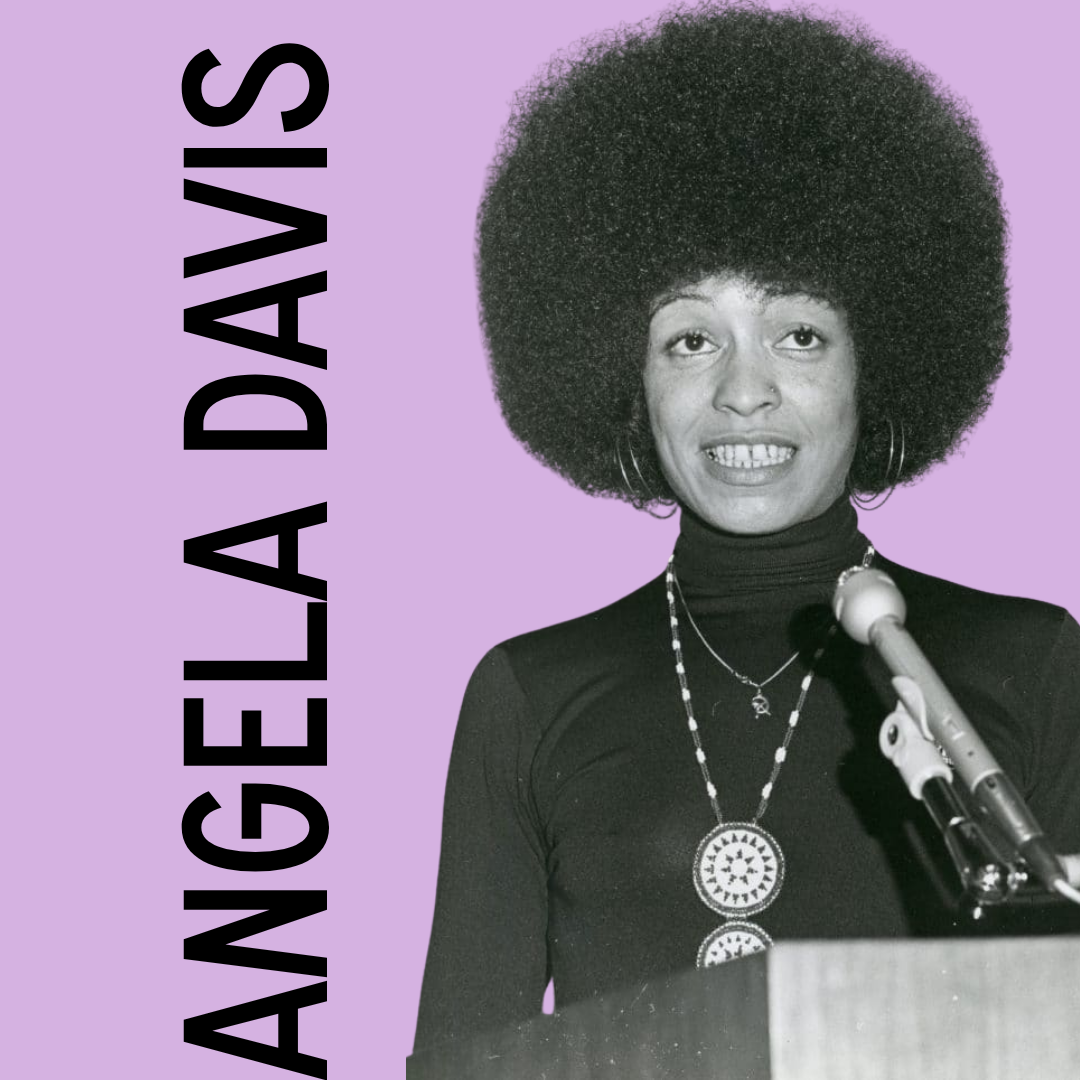
“Freedom can’t be contained within a paradigm that is individualistic. One cannot be free alone: freedom is collective. Freedom is about transforming conditions so that communities can live in more habitable conditions.” - Angela Davis
Angela Davis
January 26, 1944-
Marxist, Black Panther Party, Occupy Movement, BDS Movement, Distinguished Professor Emerita of Feminist Studies and History of Consciousness at the University of California, Santa Cruz
Angela Davis was born in Birmingham, Alabama, in 1944, and raised by a mother who participated in Black, communist organizing. Angela was drawn to the work of the Student Nonviolent Coordinating Committee and the Black Panther Party, though while interested in their commitment to civil rights and Black Power, she struggled to align values with their policies and practices, including gender-based divisions of labor and expectations that men would lead.
Angela faced scrutiny in educational settings for her political organizing. And after being from UCLA for making what they claimed to be incendiary comments, she organized with The Soldead Brothers. This led to her being placed on the FBI’s 10 most wanted list, and 18 months in jail without access to bail. Found not guilty, she left incarceration with a commitment to abolition, and continued efforts to engage in education within and beyond the academy.
On queerness and coming out, Davis has said “I totally support the politics of coming out, but at the same time, I'm critical of the assumption that one's identity has to be the major driving force that determines one's politics. And I should say that I was supportive of the Gay Liberation movement long before I identified as a member of the LGBTQ community. This is a logic that is pretty much the same that I've attempted to use with respect to other movements of liberation. I don't have to be a member of the Latinx community to be a passionate supporter of anti-Latinx racism, to place the defense of immigrants, for example, at the center of my own political awareness.”
Read more from Angela Davis:
Are Prisons Obsolete?
Angela Davis An Autobiography
Freedom Is A Constant Struggle: Ferguson, Palestine, and the Foundations of a Movement
Abolition. Feminism. Now.
If They Come in the Morning: Voices of Resistance (Editor)
Angela Davis Speaks!
Lectures on Liberation
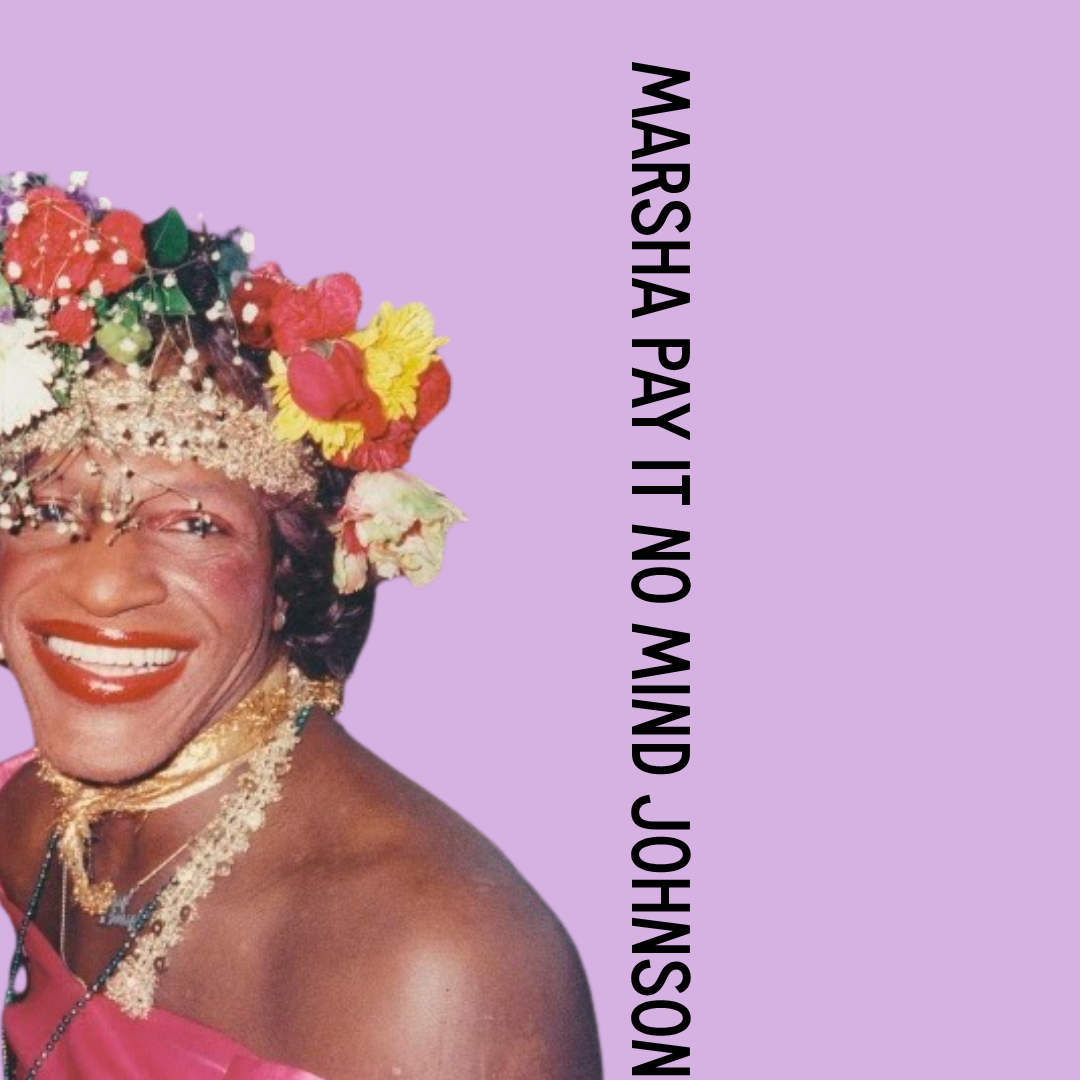
“I may be crazy but that don’t make me wrong.” - Marsha P. Johnson
Marsha Pay-It-No-Mind Johnson
August 24, 1945 – July 3, 1992
Black queer revolutionary, sex worker, housing organizer, PLWHIV and disabled organizer, STAR co-organizer, Stonewall Riot veteran
Marsha P. Johnson was an activist, self-identified drag queen, performer, and revolutionary. She was a prominent figure in the Stonewall riot of 1969 that became the precursor to modern pride. She was “BLACK Marsha” before settling on Marsha P. Johnson, in which that “P” stood for “Pay It No Mind,” which is what Marsha would say in response to questions on gender. She organized across her identities, bringing joy and enthusiasm to movements for student liberation, disability justice (particularly for mad folks), trans and queer rights, housing, sex worker rights, anti-policing and anti-carceral organizing, and AIDS/HIV organizing (as a person living with HIV at her time of death).
Marsha was likely murdered in the summer of 1992, though as is often the case for trans women who face violence, there was no serious investigation into her death. It took decades for her legacy to be lifted up and celebrated in the way that she deserved while she was alive.
Read more about Marsha P Johnson:
Marsha: The Joy and Defiance of Marsha P Johnson
https://marshap.org/where-we-started/about-marsha/
watch The Death and Life of Marsha P. Johnson
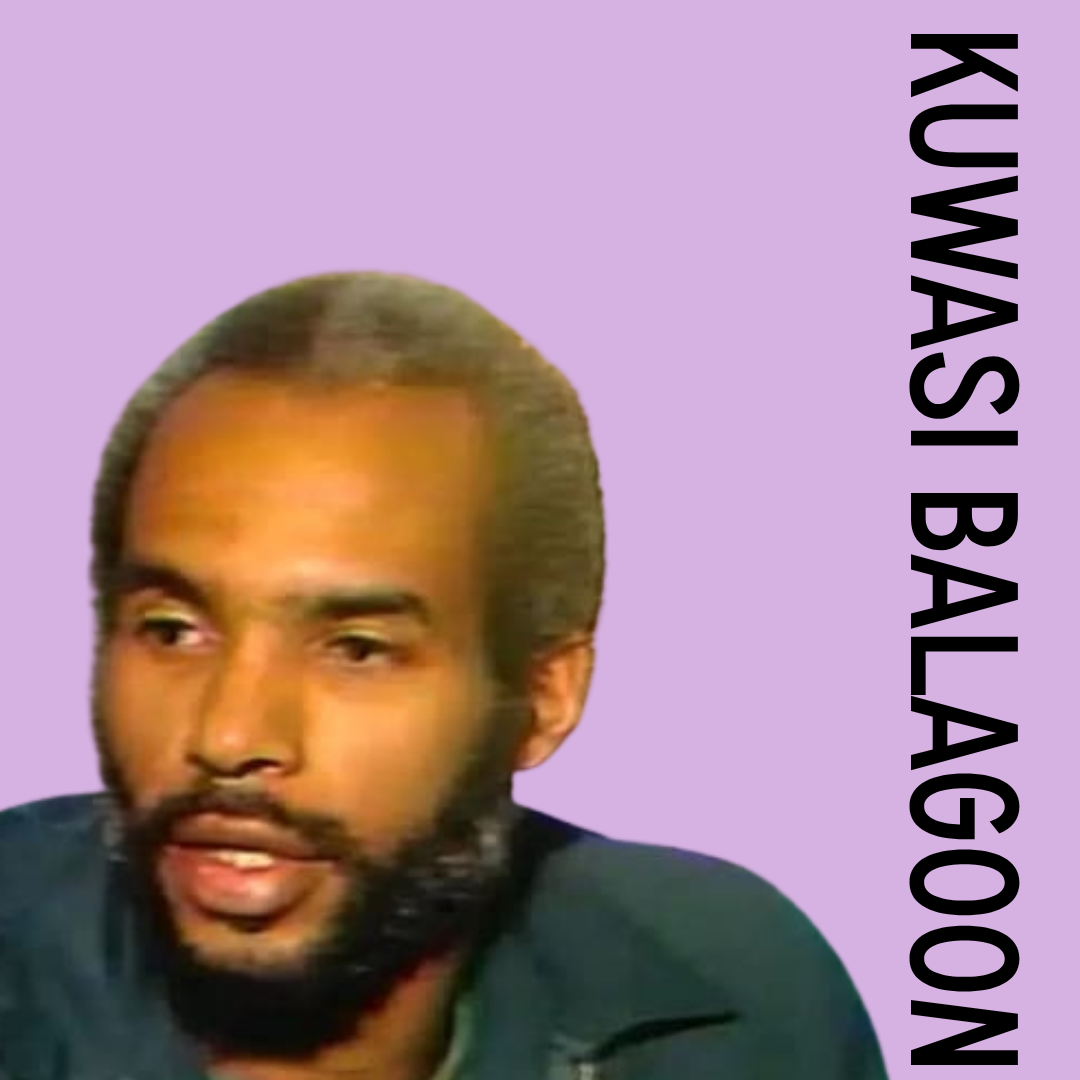
“It is clear that I’ve been a part of the Black Liberation Movement all of my adult life and have been involved in a war against the American Imperialist, in order to free New Afrikan people from its yoke.” -Kuwasi Balagoon
Kuwasi Balagoon
December 22, 1946 – December 13, 1986
political activist, anarchist and member of the Black Panther Party then Black Liberation Army
Kuwasi Balagoon committed his life to evolving his political practice to match his values, constantly fighting for liberation. He died at 39 from health complications due to AIDS (and the compounded neglect of the government in the face of the AIDS crisis and the carceral system), while incarcerated. Many of the obituaries written on Balagoon by the groups he was involved in both omit his bisexuality and the cause of his death.
Read more about Kuwasi Balagoon:
https://theanarchistlibrary.org/library/kazembe-balagun-kuwasi-at-60
https://theanarchistlibrary.org/library/kuwasi-balagoon-a-soldier-s-story
In Orisanmi Burton’s “Tip of the Spear: Black Radicalism, Prison Repression, and the Long Attica Revolt”
https://theanarchistlibrary.org/library/kuwasi-balagoon-letters-from-prison
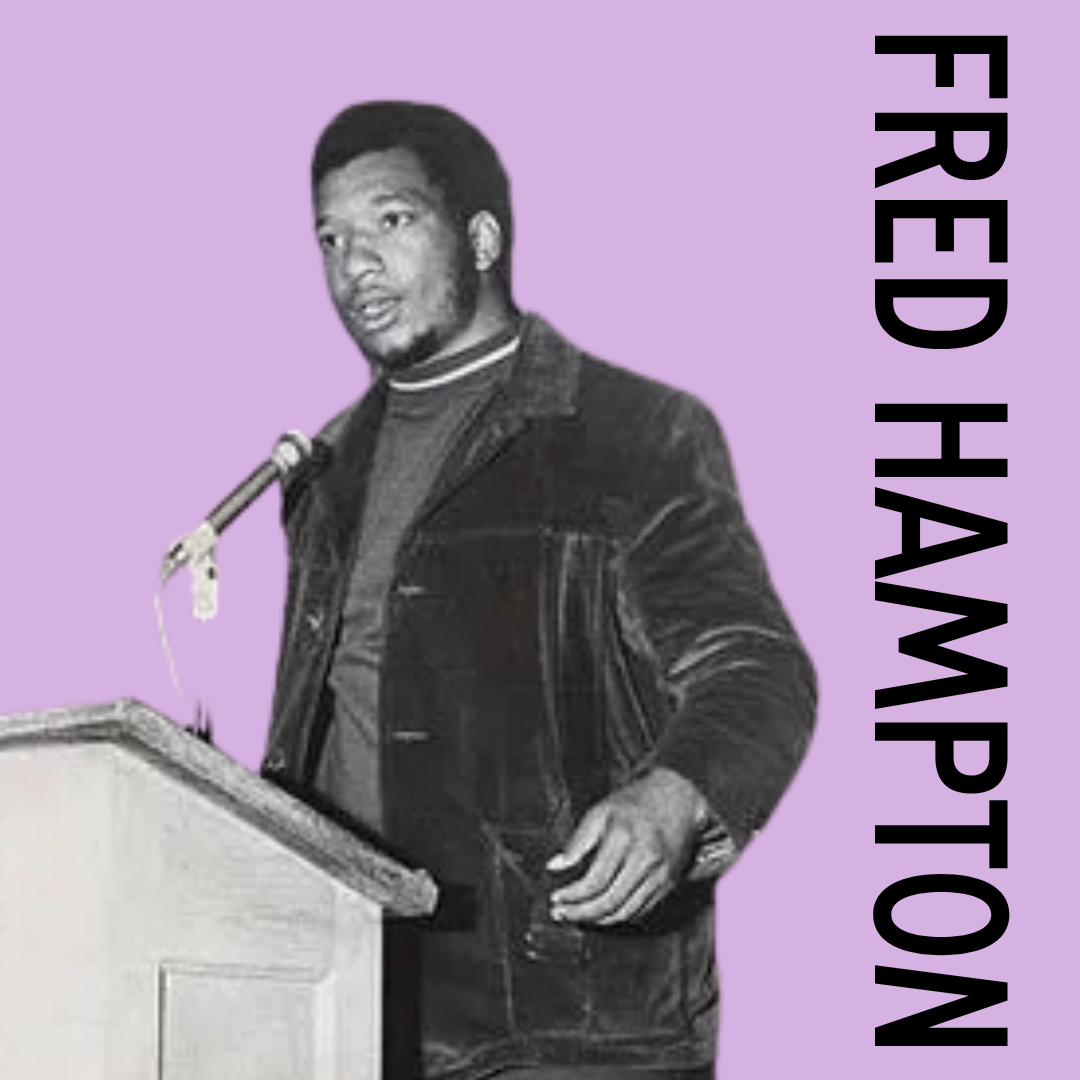
"You can kill a revolutionary, but you can never kill the revolution." -Fred Hampton
Fred Hampton
August 30, 1948 – December 4, 1969
Revolutionary socialist, Deputy Chairman of the Black Panther Party, Rainbow Coalition Founder
At age 10, Fred Hampton started hosting weekend breakfasts for other children from the neighborhood, cooking the meals himself in what is seen as a precursor to the Panthers' free breakfast program. He organized walkouts in high school, and organized through the NAACP before joining the Black Panther Party. He disavowed sexism, and built coalition among street organizers across race and ethnicity, forming the Rainbow Coalition.
In 1967, the Federal Bureau of Investigation (FBI) identified Fred Hampton as a radical threat. They tried to subvert his organizing in Chicago, sowing disinformation among Black progressive groups and placing a counterintelligence operative in the local Panthers. In December 1969, Hampton was drugged, then murdered in his bed during a predawn raid at his Chicago apartment by a tactical unit of the Cook County State's Attorney's Office, with aid from the Chicago Police Department and the FBI.
For more about Fred Hampton:
watch Death of a Black Panther: The Fred Hampton Story
watch The Murder of Fred Hampton
read The Assassination of Fred Hampton: How the FBI and the read Chicago Police Murdered a Black Panther
read The Torture Machine: Racism and Violence in Chicago
read Activists Under Surveillance: The FBI Files
read Black Against Empire: The History and Politics of the Black Panther Party
read A Spy in Canaan: How the FBI Used a Famous Photographer to Infiltrate the Civil Rights Movement
read Hillbilly Nationalists, Urban Race Rebels, and Black Power
https://www.marxists.org/archive/hampton/1969/11/class-struggle-godamnit.htm
https://www.marxists.org/archive/hampton/1969/04/27.htm
https://www.smithsonianmag.com/history/true-history-behind-judas-and-black-messiah-180976975/
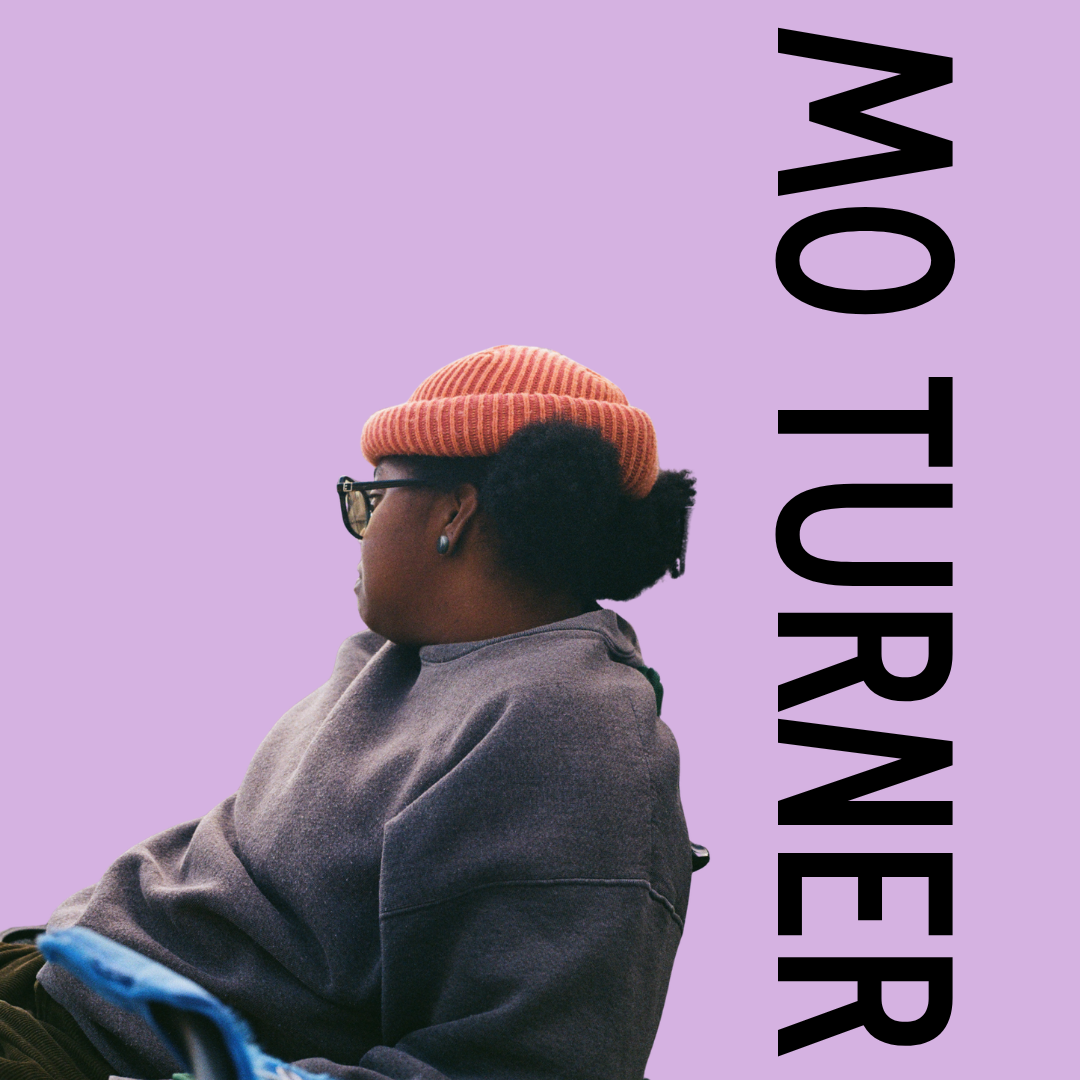
“Our liberation is tied to one another. We don’t get to pick and choose who crosses that finish line with us. -Mo Turner
Mo Turner
Capricorn
Former Oklahoma State Representative, Freedom Oklahoma Board Member Emeritus
Mo Turner is a Black, trans nonbinary, queer, Muslim organizer whose time in office was rooted in a desire to bring representation from community into the Capitol. While they saw an increase in recognition during their four years in office, their commitment to living their values and serving community pre-dates 2020 and extends beyond their tenure at the Oklahoma Legislature.
Read more about Mo Turner:
https://www.them.us/story/mauree-turner-nonbinary-oklahoma-state-legislator-politics-now-awards-2024
https://19thnews.org/2026/06/revolutionary-america-250-mo-turner-oklahoma-politics/
And even in sharing bits of each of these revolutionary’s stories, we know this only gives the briefest glimpse of the Black radical excellence that shapes our movement, our lives, our language, and our collective fight for liberation. As we honor Black August, know that it is critical to our understanding of 2SLGBTQ+ liberation. In the words of Angela Davis, “You have to act as if it were possible to radically transform the world. And you have to do it all the time.”
In Solidarity,
Cole McAfee
August Updates
〰️
August Updates 〰️
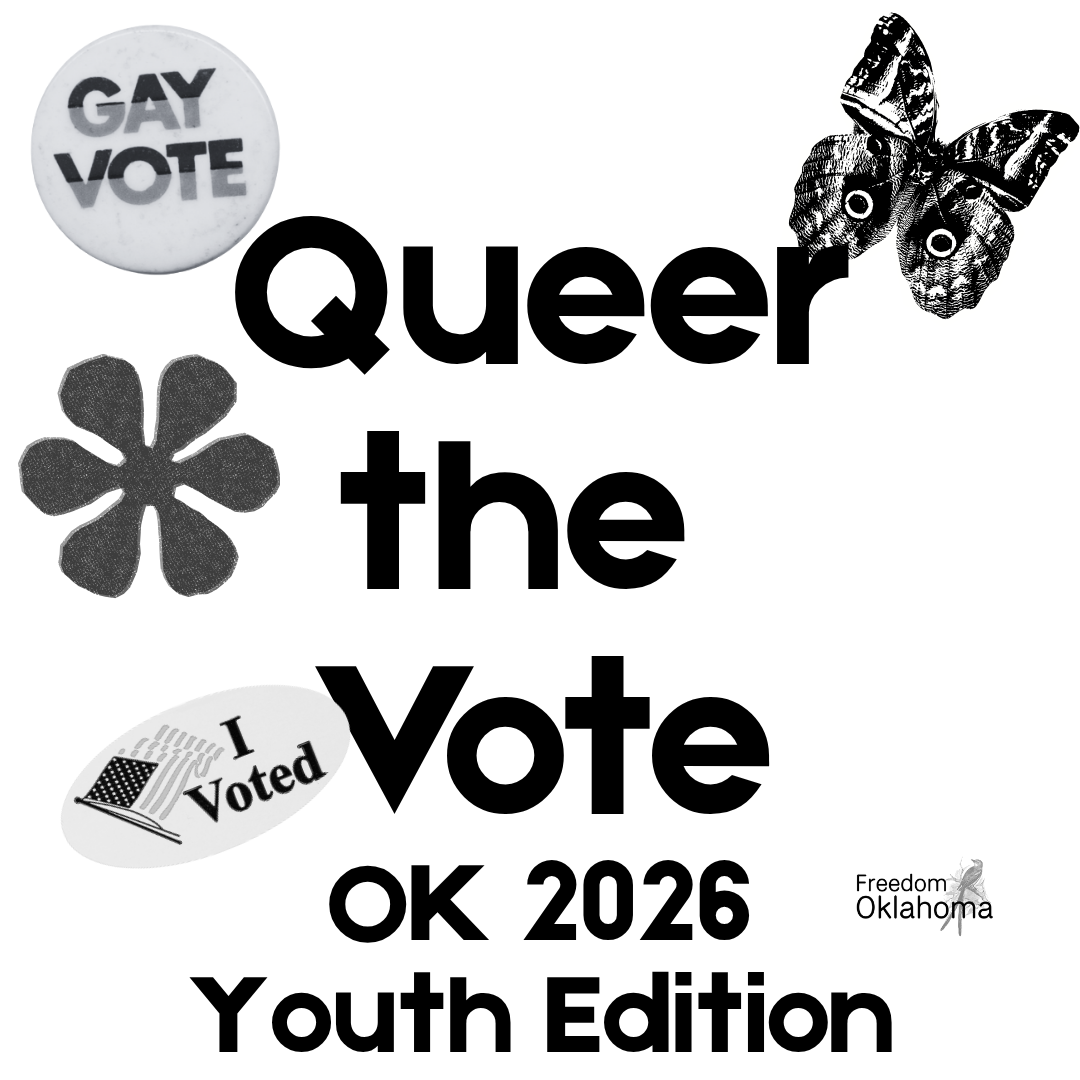
It might seem like there’s always an election just around the corner, and that’s because to some extent, that is the case. We don’t think we’re going to vote our way to liberation, and we know that voting is an important tool in many folks' harm reduction tool boxes. Yet, many of our most marginalized and excluded community members don’t have access to suffrage, particularly younger community members. With that in mind, we connected with some of the folks serving youth pride in June and developed a voting zine with a youth focus. You can check it out in our growing zine library, and download copies to print, fold, and share at https://www.freedomoklahoma.org/zines

ID: Antique, black book with gold embossing. The spine has Victorian style filigree and reads "2SLGBTQ+ Table-Top Roleplay" in blackletter type. The cover features similar filigree, the Freedom Oklahoma Roll For Pride logo (Freedom branding and a threshold 20 sided dice design,) and reads
Roll for Pride" At the top and “Join the online server for more information”.
“Join our online 2SLGBTQ+ Table Top Roleplay server @ https://zurl.co/isVgx access to events and future updates.
Beginner Friendly, No prep required!
“Roll for pride is a 2SLGBTQ+ table top roleplaying game community based in Oklahoma. We aim to foster an inclusive and safe space for those within the queer community to partake in a shared interest.
The server is community led, aiming to enable its members to take charge and run their own events within the server! While the server is Oklahoma focused, you are always free to join us from out of state. Events will include everything from one shots, to full campaigns, as well as other events such as character creation workshops and learning new TTRPG systems. Most meetings will be held online thoughthe discord unless otherwise specified.”